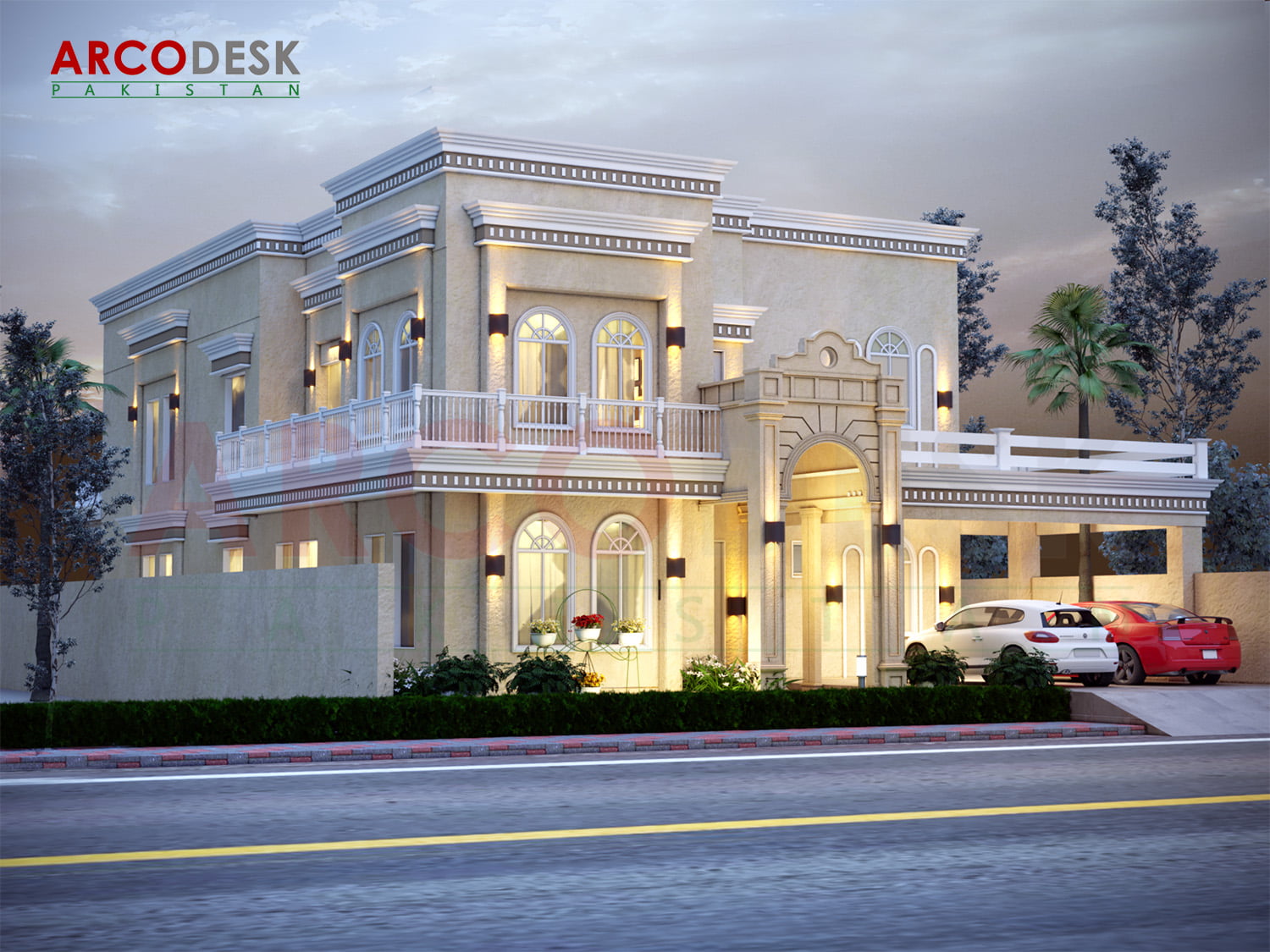
Jinnah Medical Complex & Research Centre Islamabad
Jinnah Medical Complex & Research Centre Islamabad
Pakistan, the fifth-most populous country in the world, is home to over 247 million people in 2023, with a population growth rate of 2.4% per year, the highest in South Asia. This rapid population expansion poses significant challenges for socio-economic development, particularly in healthcare.
According to the UNDP Human Development Report 2023-24, Pakistan’s Human Development Index (HDI) is 0.540, placing it in the “low” development category (164th out of 193 countries). The public health sector faces multiple challenges: limited infrastructure, inadequate funding, inequitable resource allocation, brain drain of healthcare professionals, and insufficient focus on preventive care. Public health expenditure is low at 1% of GDP (2022-23), compared to 3.1% average in South Asia.
The Jinnah Medical Complex & Research Centre (JMCRC) is conceived as a state-of-the-art 1,000-bed hospital and research center, initiated by the Prime Minister of Pakistan and currently under fast-track development. The project addresses the urgent healthcare needs of Islamabad, Rawalpindi, and the broader region while aiming to provide world-class multi-specialty care, research, and education.
The Government of Pakistan has described the upcoming medical complex as a landmark gift not only for the residents of Rawalpindi and Islamabad, but also for people from Khyber Pakhtunkhwa, Azad Jammu and Kashmir, and Gilgit-Baltistan. Addressing the importance of the project, Prime Minister Shehbaz Sharif stated that the facility will significantly improve access to advanced healthcare services across the region.
Once completed, the medical complex will provide state-of-the-art healthcare facilities, featuring specialized departments for cardiac care, nephrology, pulmonology, oncology, and other critical medical fields. The project is a flagship initiative under the Uraan Pakistan Programme and is being directly supervised by the prime minister himself. He has chaired multiple high-level meetings to monitor progress and ensure adherence to timelines.
During a recent site visit, the prime minister instructed the Capital Development Authority to expedite all preparatory work so that construction can begin promptly and the project is completed on schedule.
Strategic Location
- The JMCRC is located in H-16 near I-16 Sector, Islamabad,
- 1.2 km southeast of Kashmir Highway, ensuring direct city and airport access
- 5.2 km from M-1 and M-2 motorways, linking Islamabad to Peshawar and Lahore
- Close to the Islamabad International Airport, ideal for domestic and international medical tourism
- The site is strategically chosen to serve densely populated areas efficiently while accommodating future expansion and ancillary facilities.
Healthcare Challenges in Pakistan
Pakistan’s healthcare system faces complex challenges:
High disease burden: Transition from communicable to non-communicable diseases (cardiovascular, cancer, diabetes).
Shortage of healthcare professionals: 32,879 physicians graduate yearly, yet 40% migrate abroad.
Infrastructure limitations: Insufficient tertiary care hospitals, particularly in specialized medical areas like organ transplants, oncology, and neurosciences.
Funding gaps: Public health spending is insufficient to meet the growing demand.
Urban-rural disparity: Capital cities like Islamabad face high patient inflow from all provinces, overburdening existing facilities.
The JMCRC is designed to address these challenges by providing modern infrastructure, multi-specialty care, and training programs to retain national talent.
Project Overview
JMCRC is designed as a comprehensive academic medical center, combining:
- 1,200-bed teaching hospital
- Outpatient clinics for specialty care
- Multi-specialty Centers of Excellence (CoEs)
- Education and training programs for medical, nursing, pharmacy, and allied health professionals
- Research facilities: basic, translational, and clinical research
- Residential facilities for staff and students
- Conference and convention center
- The fast-track approach ensures the project is implemented efficiently while adhering to international healthcare standards.
Centers of Excellence (CoEs)
JMCRC will feature specialized CoEs, including:
- Cardiothoracic CoE – Advanced cardiac surgeries and care
- Neurosciences CoE – Neurology and neurosurgery services
- Oncology CoE – Comprehensive cancer diagnosis and treatment
- Transplant CoE – Liver, kidney, and multi-organ transplants
- GI / Hepatobiliary CoE – Gastroenterology and liver care
- Renal and Urinary Health CoE – Dialysis and urology
- Pediatric CoE – Child healthcare specialties
- Emergency Medicine CoE – Critical care and trauma
- Surgical CoE – General and specialized surgeries
- Shared diagnostic and clinical support facilities for integrated care
- These CoEs aim to reduce the need for patients to travel abroad for specialized treatment and establish Pakistan as a regional hub for advanced healthcare.
Education, Training & Research
- JMCRC is not only a hospital but also a center of learning and innovation, featuring:
- Schools of Medicine, Nursing, Allied Health, Pharmacy, and Medical Informatics
- Research programs covering basic biomedical, translational, and clinical studies
- Professional training programs and workshops through the conference and convention center
- This integration ensures a pipeline of skilled healthcare professionals and fosters innovative solutions to Pakistan’s evolving healthcare needs.
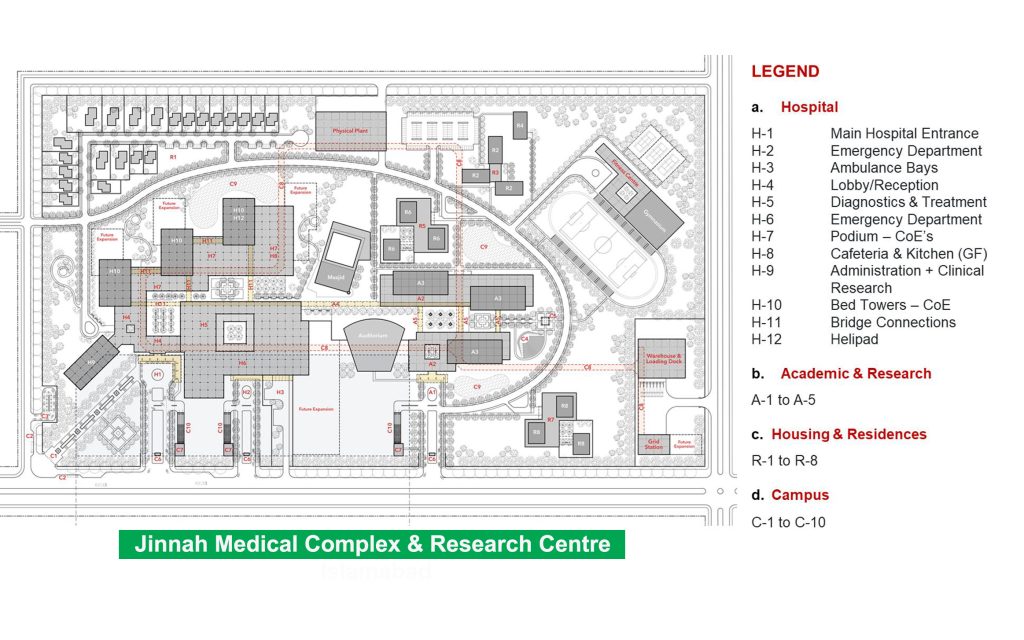
Campus Infrastructure & Amenities
The JMCRC campus includes:
- Student, faculty, and staff housing
- Hotel facilities for visitors and medical tourists
- Green spaces, landscaping, and outdoor recreation areas
- Utilities, central plant, and grid station
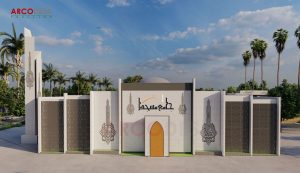
- Mosque and community facilities
- The layout ensures efficient patient flow, staff mobility, and a professional healing environment, aligned with international best practices.
Fast-Track Design & Development
- The JMCRC is being implemented on a fast-track basis as a Prime Minister’s initiative, reflecting the government’s commitment to addressing urgent healthcare needs.
- Current development stages include:
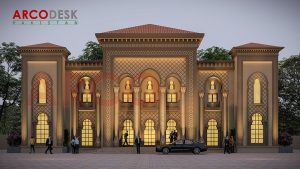
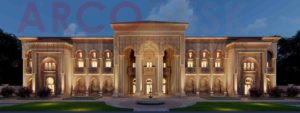
- Architectural design submissions, starting with the Administration Building facade
- Master planning for hospital layout, circulation, and zoning
- Integration of clinical, educational, research, and residential facilities
- Sustainable and climate-responsive design for energy efficiency and long-term operational sustainability
- The fast-track execution ensures early delivery of critical healthcare services while maintaining high standards of quality and safety.
- International Consultant and Contractor Companies with Local Contractor Companies involve in JMCRC
For execution, four major joint ventures have been shortlisted after a rigorous evaluation process. These include a consortium comprising Shanxi Construction Investment Group, China Road and Bridge Corporation, Central South Architectural Design Institute, Zahir Khan and Brothers, Al-Fajr International, and ESS-IAAR. The second joint venture includes Shaanxi Construction Engineering Group, Maakson Engineering Corporation, and EA-Consulting. The third consortium brings together Yunnan Construction Engineering General Contracting, Shanghai Tongji Urban Planning and Design Institute, Matracon Private Limited, and Designman. The fourth shortlisted group consists of China MCC22 Group, China IPPR International Engineering, Shahid Iqbal Builders, and AHW.
This mega healthcare project is expected to set new benchmarks in medical infrastructure, strengthening Pakistan’s healthcare system and positioning the capital region as a hub for advanced medical treatment.
Impact on Pakistan’s Healthcare System
JMCRC will:
- Increase access to tertiary and specialty care for Islamabad, Rawalpindi, and surrounding regions
- Provide advanced diagnostic and treatment services previously unavailable domestically
- Train and retain national healthcare talent, reducing brain drain
- Set new standards for hospital architecture, workflow efficiency, and patient care
- Promote medical tourism and regional healthcare collaboration
- This makes JMCRC a landmark project in Pakistan’s healthcare transformation.
Conclusion
The Jinnah Medical Complex & Research Centre, located in H-16 near I-16 Sector, Islamabad, is a Prime Minister’s fast-track initiative designed to meet Pakistan’s urgent healthcare demands. By combining multi-specialty care, education, research, and residential facilities, JMCRC sets a new benchmark for healthcare excellence in the country.